Washington, Pa. grocer, meat packing officials frets about challenges of food supply, demands during COVID-19 pandemic
BY MARK FRAZEE
WASHINGTON, Pa. — As the co-owner of several local independent grocery stores, Jeff Duritza has seen first-hand the sudden ebb and flow when it comes to supplying public demands with basic necessities during a pandemic.
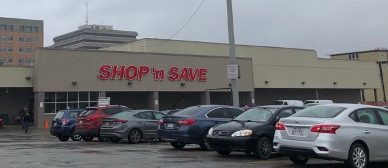
From increased demand to decreased supply, Duritza along with other members of the supermarket supply chain in Western Pennsylvania and beyond have had to adapt to the changing global situation as a result of COVID-19, while at the same time ensuring the safety of both customers and employees.
“Any cleaning product — soap, sanitizers, laundry detergent — have all been very difficult to come by,” Duritza said, who co-owns several Shop ‘n Save and Foodland stores across the region. “(It was hard to get) frozen foods — the proteins, such as Tyson frozen chicken, bread dough — as well as regular bread from the vendors. That first week and a half, we were out of bread and milk every day.”
Duritza said that bread and milk supplies have mostly returned to normal, so while his stores are still selling more of these items, they’re better able to keep the shelves stocked.
As for toilet paper and paper products, Duritza said he has tried to get creative in keeping an adequate supply on his shelves, including ordering from different brands outside of his regular suppliers.
But despite this proactive measure, he said he still has not received a notification when these orders will be delivered.
Other vendors, such as the Coca-Cola Co., have reduced their portfolio to focus on core brands, while excluding some of their less popular offerings, such as diet root beer.
Duritza said there have not been any major disruptions there, however, because Coca-Cola is still manufacturing roughly 80 percent of their products.
He has also been keeping a close eye on trends in his stores between various departments. Sales in the “add-on” departments such as deli, bakery and floral have been lower. Duritza said he believes customers have been focusing on “the essentials” while shopping.
And while some items have been fine — such as lunchmeat and cheeses —others have been difficult to keep stocked, such as peanut butter, jelly, pastas and sauces.

In other areas, Duritza said customers and grocery chains may not have seen the worst of supply issues just yet. One of these areas is canned vegetables.
“Canned vegetables have been bad. Typically, when they harvest (the vegetables), they’ll pack them,” Duritza explained. “Going into the summer, before they pack, you probably won’t even be able to find a canned vegetable in the store, because they pack them once a year and keep them in warehouses.”
But perhaps the largest area of worry for Duritza is meeting demands in the meat department.
The COVID-19 pandemic has forced some major meat packing plants to temporarily cease operations, including those operated by meat producers Smithfield Foods and Tyson Foods.
“We’re hoping to see a little bit of price drops, but now they’re closing some plants, so that’s going to put more pressure that it may go the other way. We’ll see what happens over the next few weeks,” Duritza said.
Brian Weiss knows these challenges all too well. He is the treasurer of the local Albert’s Meat Packing Co.
“The influx of business at the supermarket put stress on the supply chain, (especially) the market fluctuations of the materials going up in price, and then down in price, and then back up in price. It’s all supply and demand related,” Weiss said.
Weiss said the nature of the demand for meat products has also changed. While packing plants have lost a lot of business from restaurants forced to close as a result of the pandemic, more people are cooking at home, so the demand at supermarkets has increased.
What has resulted was a redistribution of supplies — something that has helped grocery store operators such as Duritza.
“A lot of folks are eating at home. Everybody’s cooking, and our sales have been good because of that,” Duritza said.
While Weiss said he believes that increased demand and less supply of meat products will likely result in higher prices, he does not believe U.S. customers will see much of an impact on pork supplies.
“I think there’s going to be an adequate supply, because the United States exports one-third of their pork products, and I don’t think they’re doing that now,” Weiss said. “Those plants are going to come back online — they’re not going to shut those plants down — because those hogs don’t get smaller.”
This comes as Tyson Foods Board Chairman John Tyson on Sunday in The New York Times warned that “millions of animals — chickens, pigs, and cattle — will be depopulated because of the closure of our processing facilities.”
Tyson also said in the release that the “food supply chain is breaking.”
On April 28, President Trump invoked the Defense Production Act to help ensure an adequate meat supply in the country by ordering many plants, with additional guidance, to remain open.
Despite fears of disruptions in national food supply chains, Duritza said he remains cautiously optimistic.
“Now we’re kind of back in business (with meat). There’s not many promotions because it is still somewhat difficult to get the product, but the product has gone up in cost, so people aren’t buying quite as fast as they were,” Duritza said.
Meanwhile, Weiss said it remains a balancing act back at the plant for operators, who must balance the needs of livestock — which grow and must be cared for — with ensuring the safety needs of employees.
“We take precautions at the plant,” Weiss said. “We take temperatures before people enter the building, we ask questions if they feel well, because we want to protect our workforce.”
Weiss said his facility has been fortunate because Western Pennsylvania hasn’t become a hot spot and employees’ work has remained relatively uninterrupted. But as the economy reopens, he said it will be essential for people to continue to follow recommendations from health officials to help stop the spread of COVID-19.
At the store, Duritza agreed that safety of both customers and employees remains a top priority.
“We’ve had to do a lot more in-cleaning and sanitizing,” Duritza said. “The company that we use for that has come in to make sure people 100% know what to do — what products to use — and to make sure we’re sanitizing effectively and limiting any type of exposure to the coronavirus.”
Duritza also said that his stores have brought in a new, stronger cleaning product to ensure safety.
Meanwhile, Duritza hopes customers understand they can assist as well with their shopping behaviors.
“People not panic-buying helps us,” he said. “Eventually, the manufactures are going to make (the products); it just is going to take time to get them back in the system.”